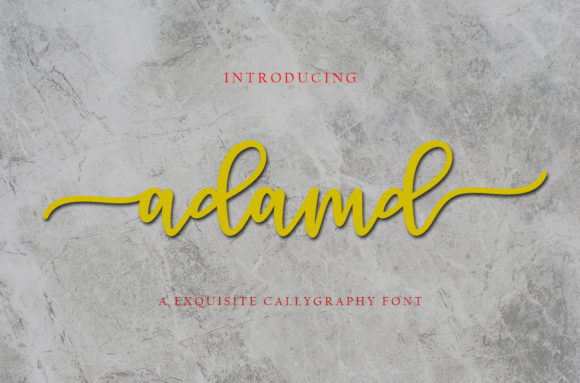
Adamm: A Handwritten Font That Elevates Your Brand’s Design
Running a small business means wearing many hats, but one thing I’ve learned over the years is that the little details matter. Whether it's your packaging, social media posts, or printed menus, the way you present your brand visually can make a big difference in how customers perceive you. Recently, I found myself stuck while designing new product labels for my candle shop. The previous font was okay, but nothing special—until I discovered Adamm.
How I Found Adamd and Why It Stuck With Me
I had been searching for a font that felt both modern and personal, something that could bring warmth to my product designs without being too fussy. As an entrepreneur who values authenticity, I wanted a typeface that looked handcrafted but still had the polish needed for professional branding. That’s when I stumbled upon Adamm, a handwritten font with an authentic charm that just clicked.
The first thing I noticed was how natural and expressive it felt. Unlike some script fonts that look like they were made for calligraphy competitions, Adamm has a balanced rhythm and subtle character variations that give it a human touch. It wasn’t overly ornate, which meant it would work well on smaller items like candle jars and stickers, but it also had enough personality to stand out in larger displays like website banners or packaging boxes.
A Font That Feels Like a Signature
What really set Adamm apart was its mood. It radiated creativity and approachability—just what I wanted for my brand. When I used it on my latest batch of candle labels, the difference was immediate. The text no longer looked generic; it felt intentional, almost like a signature from the person behind the brand. That’s the kind of connection I want customers to feel. It doesn’t scream “I’m fancy,” but it quietly says, “This is real.”
Bringing Consistency to My Brand Visuals
Before using Adamm, I was bouncing between different fonts for various design elements. My logo had a sleek sans serif, my Instagram captions used a bold slab font, and my packaging had a serif typeface. It all felt disjointed. Once I settled on Adamm as my main display font, I could unify everything under one typographic style.
- Logo Design: I redesigned my logo using Adamm as the primary typeface. It gave the logo a friendly yet sophisticated edge that now feels like the heart of my brand.
- Product Labels: On my candle jars and gift tags, Adamm added a level of elegance that elevated the whole product line. Customers often comment on how beautifully it looks on the glass.
- Social Media Graphics: For my Instagram stories and promotional images, Adamm helped me create a consistent visual language that reflects the handmade nature of my products.
- Thank-You Cards: I even used it on custom thank-you cards sent to repeat customers. The handwriting-style feel made each card feel more personal and less like a mass-produced thank you.
Why Typography Matters More Than You Think
It might seem like choosing a font is just about making things look nice, but typography actually plays a huge role in how people interact with your brand. First impressions are quick, and if your visuals don’t feel cohesive or trustworthy, customers might not stick around long enough to see what you’re offering.
Adamm helped me build a stronger sense of identity across all platforms. From the moment someone sees my logo or scrolls past a post, there’s a clear visual thread connecting them back to my brand. This consistency builds trust and recognition—two key factors in growing a small business online or in-store.
Where to Use Adamd in Your Business Designs
If you're thinking about adding Adamm to your own brand visuals, here are some practical places where it shines:
- Headlines and Titles: Use Adamm for headers, product titles, or blog headlines where you want to capture attention and add a warm tone.
- Logo Design: Its unique style works especially well in logos that aim to feel creative, customer-friendly, and modern.
- Packaging Design: Ideal for short phrases or names on boxes, jars, or bags. Just be sure to use a slightly bolder weight for better readability at a glance.
- Menus and Flyers: If you're running a café or boutique, Adamm can give your menu or flyer a fresh, inviting look. Pair it with a clean secondary font for body text to keep things legible.
- Editorial and Web Design: While it’s not suited for long paragraphs, Adamm adds a nice decorative flair to quotes, testimonials, or section headers on blogs and websites.
Readability Tips for Small Businesses
One concern I had early on was whether Adamm would be readable on tiny product labels or mobile screens. Here’s what I learned through trial and error:
- Use a lighter weight for delicate designs and a bolder version for high-contrast backgrounds.
- Avoid using it in very small sizes—stick to at least 14pt for print and 16px for digital.
- Always test how it looks on different materials—glass, paper, fabric, etc.—to ensure legibility and clarity.
- For thumbnails or social media previews, simplify the text and maybe use a condensed variant if available.
By following these tips, I managed to use Adamm effectively across multiple formats while keeping everything easy to read and aesthetically pleasing.
Pairing Adamd With Other Fonts
Choosing a great font is only half the battle. To truly make it work for your brand, you need to pair it wisely. I paired Adamm with a clean sans serif font for body text and descriptions. This combination brought balance to my designs—Adamm handled the emotional appeal, while the supporting font took care of the practical information.
Here are a few pairing ideas that might work for your brand:
- Clean Sans Serif: Great for readability and contrast. Think Helvetica Neue or Montserrat.
- Elegant Serif: Adds sophistication when used alongside Adamm. Try Georgia or Playfair Display.
- Script Font: If you want another handwritten font, choose one with a contrasting rhythm or size to avoid visual clutter.
- Modern Typography: Combine Adamm with a geometric or minimalist font for a contemporary look.
Creating a Balanced Look Without Overdoing It
I quickly realized that Adamm should be used sparingly but strategically. Too much of any decorative font can overwhelm a design. Now, I use it mainly for titles, headings, and accents, while relying on simpler fonts for the rest. This creates a harmonious balance that keeps my branding looking polished and professional.
What to Check Before Using Adamd for Commercial Projects
Once you fall in love with a font like Adamm, it’s tempting to use it everywhere—but before doing so, make sure to check a few important details:
- Commercial License: Confirm that the font comes with commercial use rights if you plan to print merchandise, sell digital downloads, or share it with clients.
- File Formats: Look for OTF and TTF files to ensure compatibility across software and devices.
- Ligatures and Alternates: These can add variety and interest to your text. I loved using them to make my product names look more unique.
- Multilingual Support: If your brand caters to an international audience, this is a must-have feature.
- Font Weights: Having multiple weights allows for greater flexibility in design—light for subtle accents, bold for headlines.
After verifying these aspects, I felt confident using Adamm across all my branding assets—from packaging mockups to client deliverables.
Small But Impactful Changes
Switching to Adamm wasn’t a massive overhaul, but it made a noticeable difference. My packaging started feeling more thoughtfully designed, my social media posts stood out more, and even my email newsletter became more engaging. It reminded me that sometimes the smallest design choices can lead to the biggest improvements in brand perception.
As someone who spends hours crafting each detail of their business, investing in the right typeface feels like giving your brand a voice. And with Adamm, that voice is warm, modern, and memorable.
Final Thoughts on Branding Through Typography
Typography isn’t just about pretty letters—it’s about building a story through every word you put out into the world. Adamm helped me do exactly that. It brought a sense of craftsmanship and intentionality to my designs, and in turn, strengthened my brand identity.
If you’re a small business owner, creator, or marketer looking to elevate your visual presence, I encourage you to explore Adamm as part of your design toolkit. It might just be the missing piece that ties your brand together—and makes it more unforgettable than ever before.